Canadian institutions
Parliament, legislatures, municipalities, public service and the roles citizens play.

Civic Education
Our learning model connects knowledge of Canadian institutions with research, communication, respectful disagreement and practical leadership.
Parliament, legislatures, municipalities, public service and the roles citizens play.
How to investigate public questions, assess sources and distinguish argument from assertion.
How to organize ideas, speak clearly, listen closely and answer questions with composure.
How to disagree without demeaning others and revise a view when evidence warrants it.
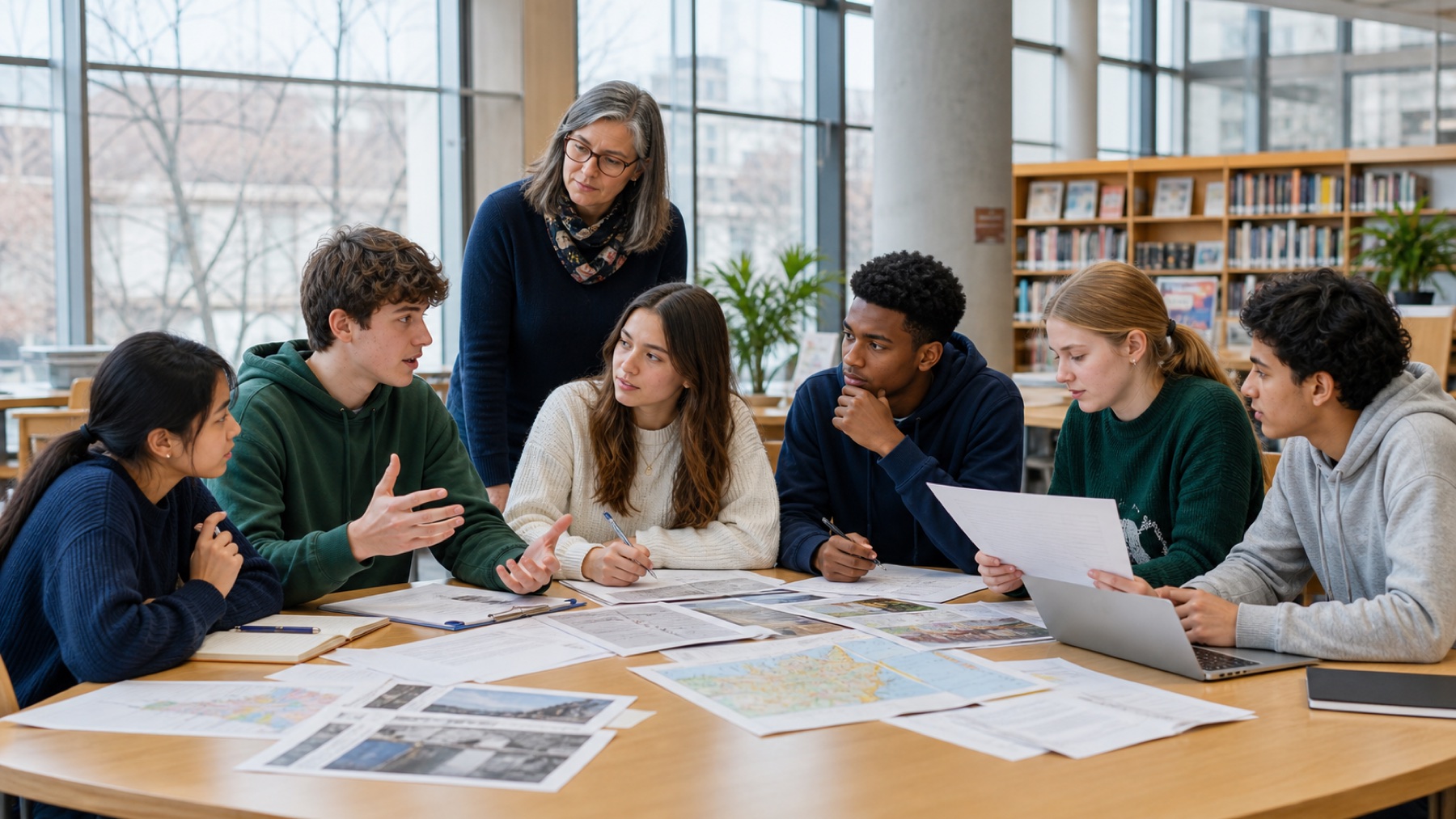
Students learn through workshops, speeches, debates, team research, simulations, reflection and contact with educators and civic leaders.
Public institutions may serve as learning environments, but venue access or participation by a public official does not imply political or institutional endorsement of FCLC or a partner program.
Schools and community organizations can speak with FCLC about future educational partnerships.